What is Self care - the basics
What is self care?
Self care is not a new or even new-age concept. But it is an urgent one. Especially now, when our lives have become complicated by screens and social media and put under enormous stress by COVID-19 and the consequent isolation from the people and activities that connect us as social beings.
Simply put, self-care is the practice of consciously doing things that preserve or improve your mental and physical health and thus your overall wellbeing and that of those around you.
Why is self care important?
Our lives are interconnected. Your mental and physical state impacts those around you - whether directly or indirectly. From this perspective, self care is not a selfish act. In fact, it is probably the most selfless and important act that a parent, caregiver or anyone who lives with people can do for the ones they love. Even small acts of self care and self-help can decrease stress, improve relationships and promote wellness of the body and mind. It’s your right as much as your responsibility to practice self care.
Why do parents and caregivers need to practice self care?
No matter where you live or how much help you have, being a parent is both demanding and stressful. Self care is a great way for parents, or any caregiver, to make sure their own needs are being met. Because self care and mental health are connected, neglecting one can have a negative impact on the other which ultimately impacts everyone around you. Like we said - self care is actually the most selfless act you can practice today.
Why do children need to learn self care?
Children suffer from many of the same stresses that adults do - more screen time, less free time and of course the social isolation of a pandemic. That’s why it’s so important to teach your children about self care and give them the tools and encouragement they need to create healthy habits that will see them into adulthood.
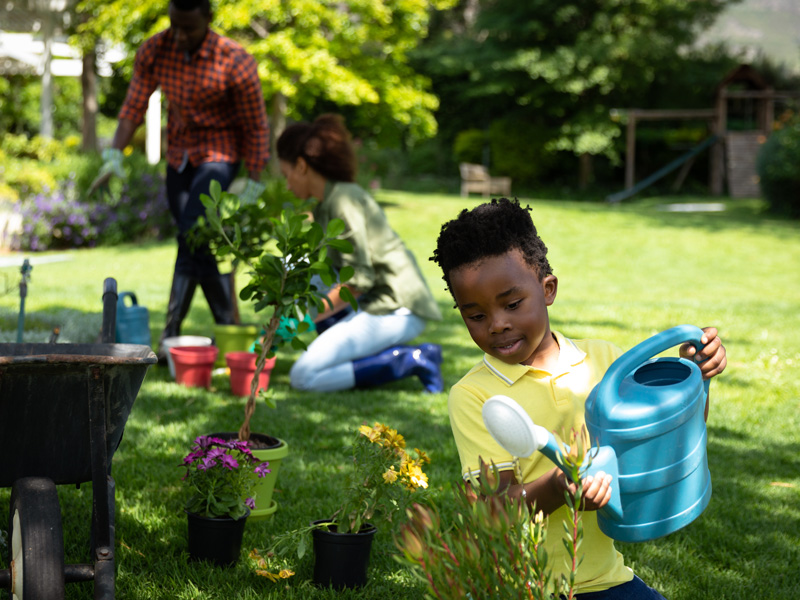

Teaching self care to children to Preschoolers
Preschoolers
Set aside space for quiet time or “slow down” time
Set aside a few minutes every day to do a “slow” activity together like singing to your child, reading a book together, or listening to a kid-friendly YouTube meditation. Incorporating a “slow down” time in your family’s routine will also help train your child’s brains to make calm, mindful choices.
Encourage them to take care of their bodies
Taking care of the body is a great way to help children learn and practice self care from an early age. This can happen on two levels - small tasks that give children power over their bodies and fun exercises that help them stay healthy. Start small by encouraging your child to accomplish these tasks on their own and make sure to praise them for completing the task and looking after their own bodies with things like:
- Blowing their own nose
- Dressing and undressing
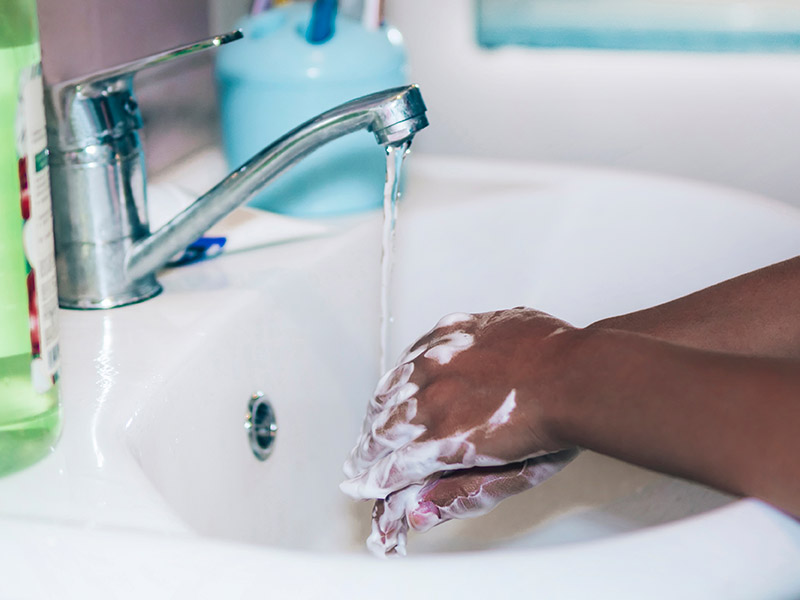
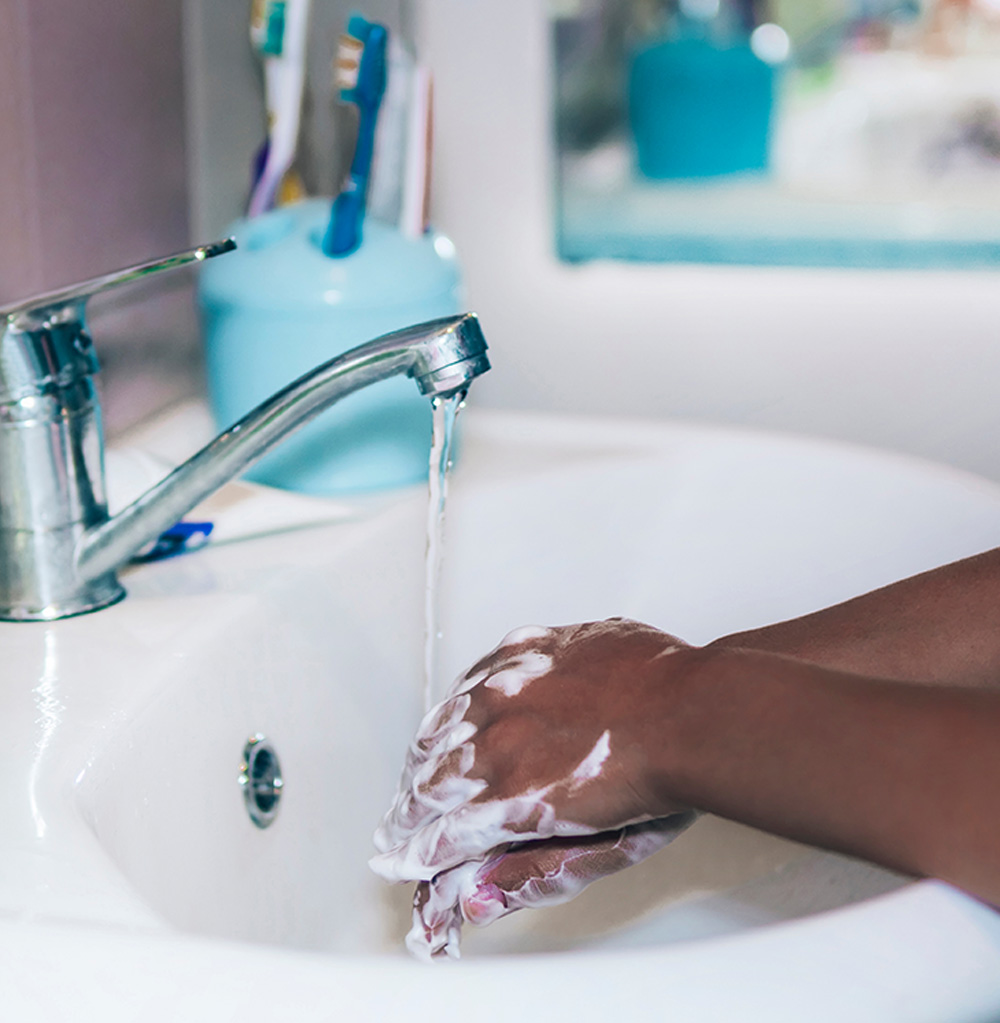
- Washing their hands
- Brushing their own hair
- Brushing their own teeth
- Getting a drink for themselves when they are thirsty
- Helping them prepare food or a snack
The other key aspect is physical health. There are lots of ways to have fun and encourage healthy habits in children around their physical wellbeing, such as:
- Dancing
- Playing ball in the park
- Going on hikes or exploring nature
- Yoga stretches
- Riding bicycles
- Playing Frisbee in the garden or park
Create a“calm box”
Help your child create their own “calm box” , filled with soothing items they can turn to when their emotions overwhelm them. This box will be filled with items that are both loved by them and soothing to their senses, eg a fidget toy, a soft cuddly toy, stress ball, bubble wrap, plastic snow globe, scratch and sniff stickers. Even a pinwheel can be included to help them practice exhale breathing while watching the shiny wheel turning. When choosing items, it helps to think of these items as “special tools” rather than items for normal play. When you notice that your child is on the verge of a meltdown, encourage them to use the items in the box to help them calm their emotions. And do make sure you encourage the child with positive language that makes them see the box as a fun tool rather than a punishment for “misbehaving”. The goal is for the child to one day recognize that when they are feeling overwhelmed, they have a skill or solution to turn to for help in calming down.
Teaching self care to TWEENS and TEENAGERS

‘Leave it at the door’ exercise
Create a “leave it at the door” policy at home that encourages them to consciously leave the past behind and stay focused on the present, helping them to undergo a positive mental shift every time they enter a doorway in your home.
Practice a self-compassion break
Help your older children to practice a three-step self compassion break during or after a stressful event.
Step 1: Acknowledge that it is a difficult moment (ie “This is stressful”).
Step 2: Acknowledge that stress and suffering are part of life (ie: “Other people feel this way. I am not alone.)
Step 3: Ask yourself: What can I do to be kind to myself? It might help to think about what a loved one might tell you (ie: Accept yourself as you are. Don’t be so hard on yourself. Be strong.)
Engage the senses without a screen (phone or computer)
As most parents know, screen time can be all consuming, especially in the life of a tween or teen. Encourage your tween or teen to do an “offline” activity that soothes their mind and/or engages their bodies in positive ways.
Self-care is about the things we can do to look after our own mental health:
Below are some self care strategies from the Anna Freud.
Young people told us that when they are struggling they are usually told to see a professional. They don’t often get much advice about how they could help themselves.
Below are some strategies to help you to manage your wellbeing. It’s up to you to decide what helps. If it works, keep doing it. If it doesn’t, stop and try something else. These activities are not a substitute for seeing a mental health professional. Sometimes we need outside help and advice. Getting help is good. No-one should feel bad about it.
For a full list of activities go to : Anna Frued self care
Books & Reading

Noticing your triggers
Setting boundaries
Physical exercise
Sleep
Hope Box

Writing things down

Distraction techniques
Problem solving

Positive thinking

Personal care & hygiene

Spending time with animals / pets
Selfcare-10 tips for parents to practice
 Books & Reading
Your self care routine starts with…
Recognising and responding to your emotional needs
Are you in tune with your emotional needs? Learn how to identify your emotions before they escalate. Know when you need to take time out or be near other people and then action it.
Managing stress
Life is stressful, but it doesn’t have to be overwhelming. Know what your key stressors are and how to cope or neutralise them.
Loving yourself
This is not so easy for many people. But it is important. Find ways to cultivate a positive self-image and higher self-esteem.
Coming up with a self-care plan
Create a self care plan that resonates with you but is also manageable. It doesn’t help to create an ideal plan only to feel bad about not doing your self care activities! Start small and simple.
10 ways parents and caregivers can practice self care
Self care doesn’t have to be complicated or expensive. Instead of setting aside time for one big “self care” activity a week, make sure you build small moments of self care into your daily routine. Because, when it comes to self care, it’s the small, regular moments that make the biggest difference.
Here are some top tips for self care that won’t break the bank and can even serve as great teaching (or at least role modelling) moments for your children:
- Get a good night’s sleep
- Drink lots of water
- Go for a walk in nature
- Take a relaxing bath
- Say no to something you don’t want to do
- Listen to your favourite music
- Watch your favourite film
- Make a healthy meal
- Make a list of five or more things you like about yourself
- 10. Dance (and sing) to your favourite song
Need more support? Explore these self care Apps for busy parents
Need better tools? Here are 25 self care tools that parents can learn today.
Teaching self care to children
Self Care for children
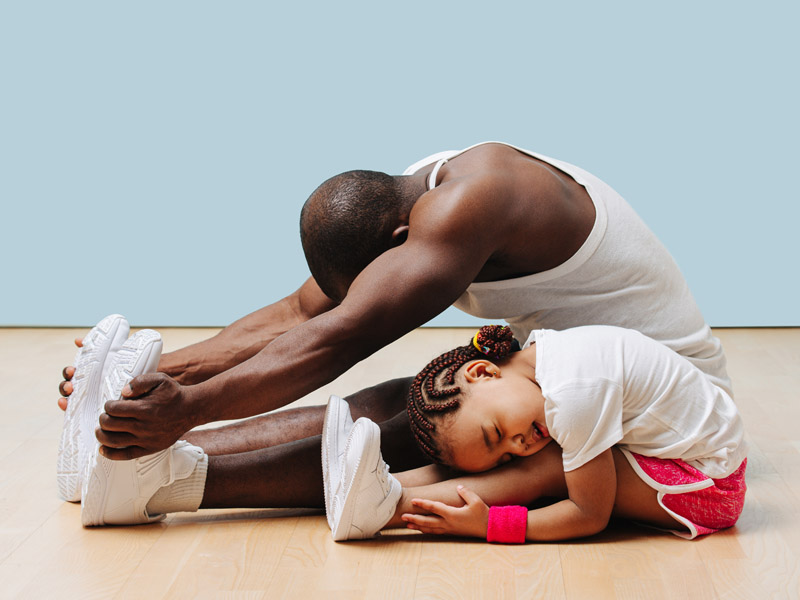
Self care is an important life skill for growing, developing kids. When taught correctly, self care will help kids identify their physical needs and begin to take care of them before emotions can derail them.
What age can children learn about self care?
Parents, educators, and caregivers can teach their children healthy self-care habits at any age. Start small and always consider the age and developmental level of the child. For younger children, see if they can blow their nose, brush their hair or get their own drink. And make sure they can access the necessary items to complete the task. If they’re struggling, try breaking the task down into smaller steps. For tweens and teenagers, help them learn the skills they need to wake themselves up in the morning, prepare a meal, or care for a family pet.
How can parents teach self care to children?
Develop a healthy family routine
We all know that routine is very important for children to feel safe and loved. So make sure you create a healthy family routine that encourages self care. This will take conscious and deliberate effort. For example, you might want to build in a “slow down” time into each day, where the family is device-free and everyone is encouraged to do an “offline” self care activity like reading a book, drawing, playing a cards or practising yoga or meditation. Or you could make sure that the family sits down every day for breakfast and dinner and that those two meals are always device free. Just make sure the parents practice what they preach!
Focus on sleep
Making sure the whole family gets enough sleep is one of the best acts of self care you can teach and practice. Sleep is one of the most crucial ingredients for learning, performance and mental health. For children, good sleep starts with a consistent and early bedtime to ensure higher levels of concentration the next day. The typical teenager needs nine hours of sleep and, while some activities may dictate a slightly later bedtime, ensuring a full-night’s rest will help to regulate your teenager's moods and even enhance their academic performance.
Role modeling
We can model self care by acknowledging your own needs as a parent and showing your children how you like to practice self care, eg: by taking 30 minutes to read a book or going to a regular yoga class. Kids usually learn more from what parents do than what they say, so make sure your actions speak volumes about self care.
Encourage independence
We know that, for busy parents, it can often feel easier to take the reins and complete a task for your child. This means that children aren’t taught to think independently, problem solve or assess what their needs are and solve them for themselves. Instead, when a child asks for help, first ask yourself if this is a task they can realistically accomplish on their own. If it is, encourage them to tackle it first on their own by saying:
I believe in you and think you can do this by yourself. If you get stuck, I’ll be here to help you, but first try it on your own
Though this might be more time-consuming, the energy you put into this will help that child feel more confident and prepared in the future. And always remember to praise the child for trying something new done on their own, even if it doesn’t go as planned!